










Studio practice · 2019 — 2023
Diroro
From solo freelance work to a six‑person studio.
A digital design and branding studio I founded and grew out of solo freelance work into a cross-functional team delivering brand, marketing and web for corporate and international clients. Wound down deliberately in 2023.

Role
Founder & Design LeadHiring, direction, clients — and hands‑on design
Period
May 2019 — Nov 2023Four and a half years
Team
Six, cross-functionalBuilt over the studio’s life
Scope
Brand, marketing, webCorporate and international clients
01 — How it started
A freelance practice that outgrew one person.
The studio grew directly out of solo freelance work. At some point there were more orders than one person could take, and it was clear that every extra pair of hands would let me take more. So I hired.
The first hire was a graphic designer, a true junior. I said up front that some of the work would be product design, though graphic work was what clients ordered most. I had never hired before, so I prepared for it: I looked for people among friends and their friends, went through their portfolios, and asked what they liked making, what they didn’t, and what they had done.
02 — Building the team
Hiring for the work, then handing it over.
Two designers besides me, an illustrator, a web developer and a marketer — six in all, hired as the work demanded rather than to a plan, with outsourced designers brought in at peak load. Each came in for a different reason: the web developer for steady general demand, the marketer to try to bring in clients, the illustrator for specific clients during the NFT boom. At the peak, around fifteen projects ran in parallel.
-
01
RequestComes to me, not to the team.
-
02
Shape the jobPriorities, deadline, details — extra work, or a different job if that gets the client the result they want.
-
03
Write the briefA written brief for the designer.
-
04
Big, complex or key clients: I joined the design work myself.DesignLayouts and components. Early on from my groundwork; later, on their own.
-
05
ReviewAgainst the checklist.
-
06
RevisionsFixes from the review.
-
07
Second reviewNothing reaches the client before it.
-
08
Client reviewUsually none or one round of edits, and we never billed for them.
-
09
Wrap-upExport, file prep, handover.
-
10
ArchiveClient files kept for a year. Clients did come back for files they had lost.
Every client talked to me, never directly to the team. The developer’s and illustrator’s work went through review too — to keep raising their bar.
The Trello board followed the same path
- Pitching
- New requests
- Brief & estimate
- Writing the brief
- In progress
- Awaiting approval
- Done
- Delivered
plus “Revisit later” for jobs on hold
How a job moved through the studio — drawn for this case from how we worked
How I ran it
- Grew a junior into an independent designer. I trained our first hire from the ground up, then cross-trained them into product work to share the load. After seven or eight months my review comments stopped repeating, and I gave them real freedom: on StatDigital infographics and illustrated blog covers we talked about infographic types, not spacing. I built the base of each regular client’s illustration library, and we extended it together.
- A craft bar written as a checklist. Text that failed a legibility check — contrast, or size across screens and materials — was a no. So was text crowding an edge, colours outside the brand, and product files without variables or components.
- Review that stepped back as people grew. Early on I stepped in mid-project; as people earned autonomy, I moved to a final review before anything reached a client. Product work went through Figma comments and calls, illustration through calls and messages.
- Kept the heavy work, handed on the rest. Brand direction, project structure and the heavier clients stayed with me, sometimes in parallel with the team. Repetitive work I had already taught went to others — thousands of near‑identical covers assembled from existing material. The marketer, developer and illustrator owned their fields: I checked and discussed, but deferred to their expertise.
- Ran delivery myself. Prioritisation, scheduling and client communication stayed with me, on Kanban — mostly in Trello, moving to Notion near the end. After a project showed what happens when it is left to habit, I set out explicitly who speaks to clients and who owns what.
A craft bar only scales once it is written down.
Miss one, and it goes back.
Sent to the client
What every piece went through before a client saw it — rebuilt for this case from how we checked
03 — The work
The clients who kept coming back.
Around twenty clients came back to us more than three times. Two of them show best how the studio worked: VipeCloud, where we built a brand out of a logo, and StatDigital, the longest relationship the studio had. Both reached us on the recommendation of an older client.
VipeCloud
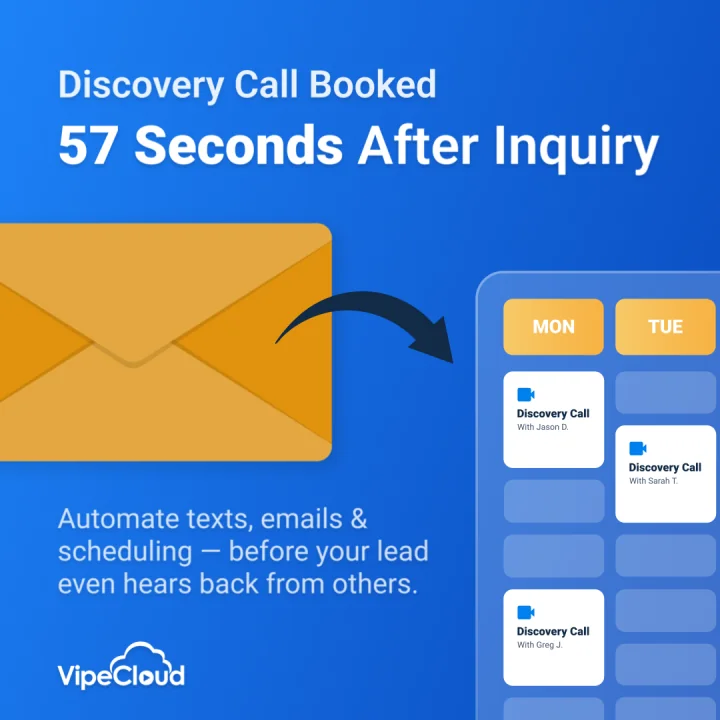
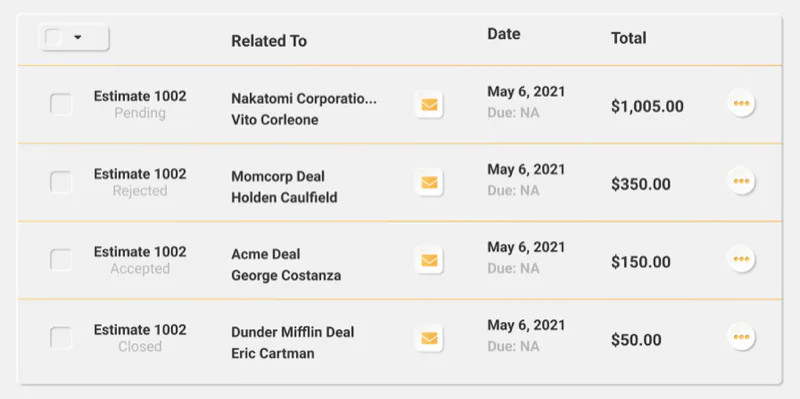
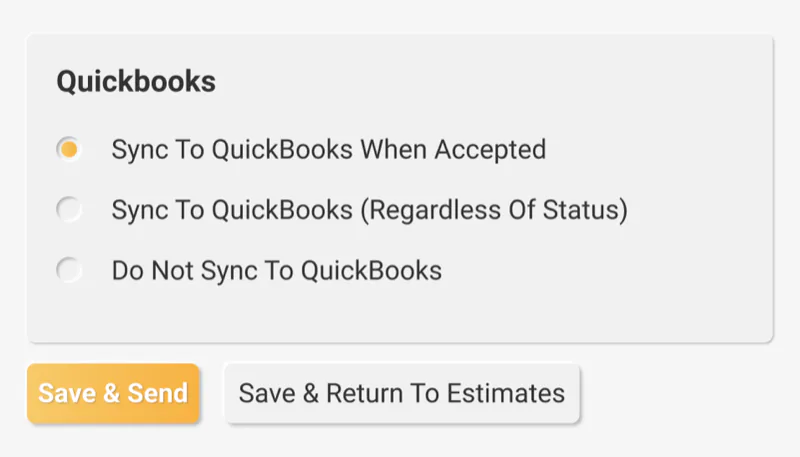
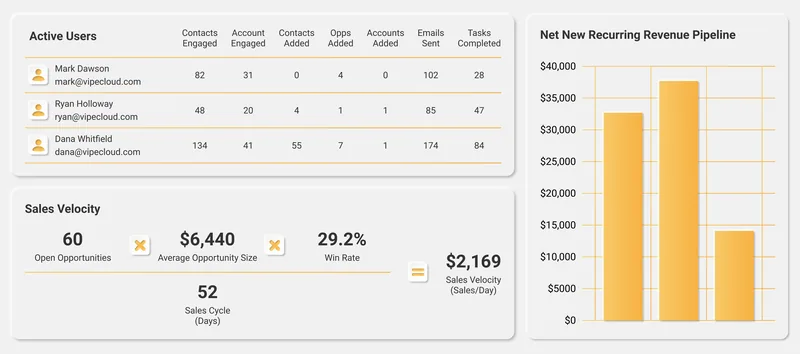
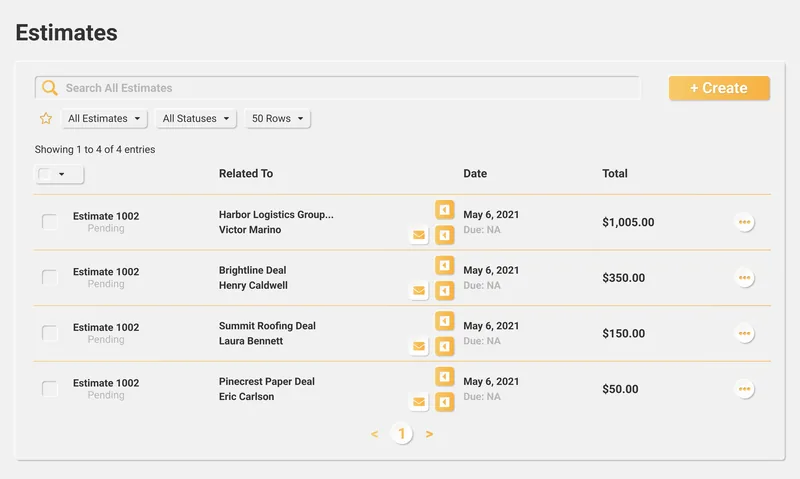
VipeCloud came to us for blog covers. They had a logo and nothing else. I proposed a brand, built it through the orders that followed, and agreed it with them as it went.
It started with colour and style, and over time grew to cover grids, illustration, typefaces and components. I built the base; after that the team carried it forward and extended it together. Two other designers and I worked on the account.


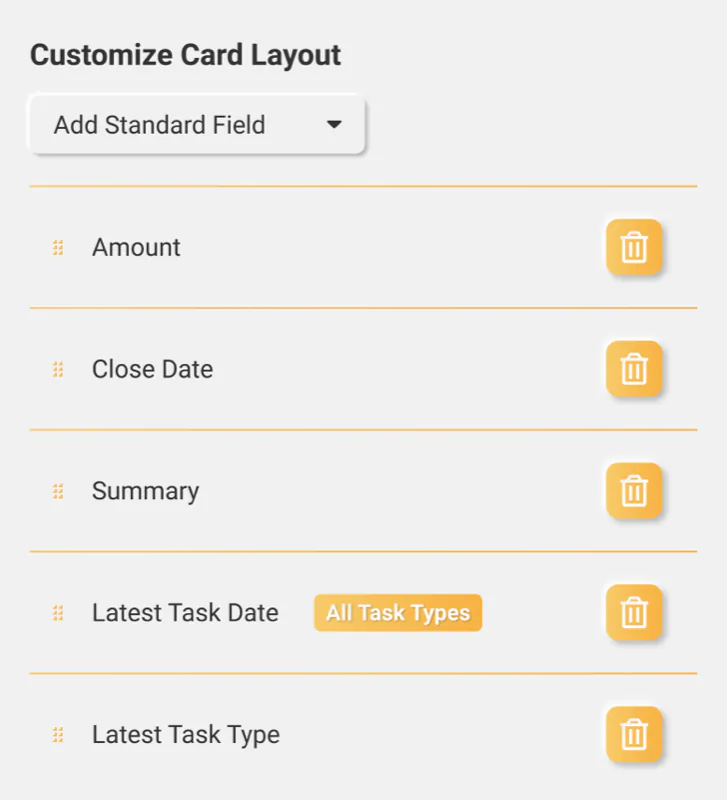
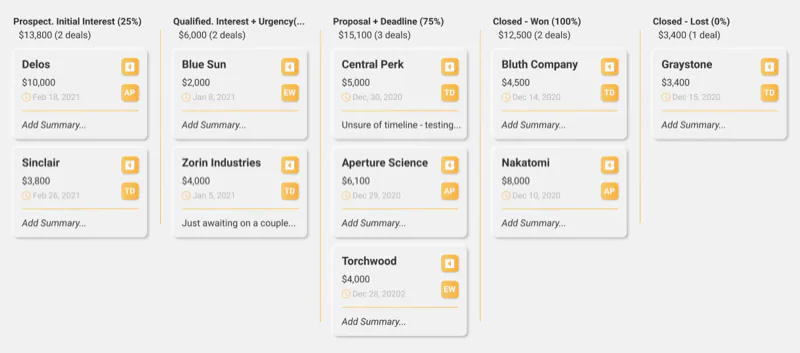
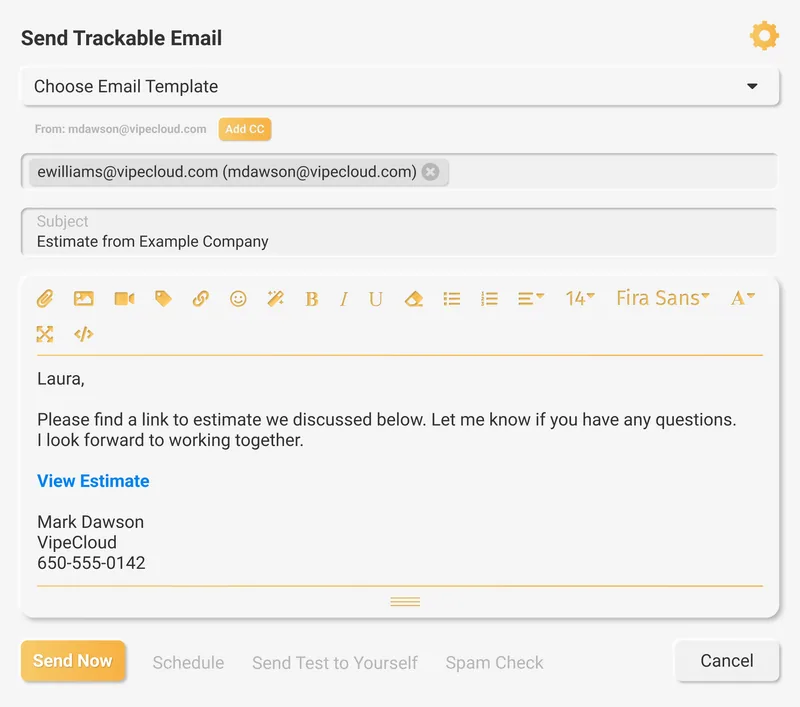
VipeCloud: the logo they came with, and the system it grew into — base built by me, extended by the team
What the client asked for grew with it: covers for blog posts, illustrations for the site, ad banners and site banners, ad campaigns, and short animated ads as GIFs. They saw what the brand did for them, and they came back more often and with larger jobs, through the studio’s whole life.


















StatDigital
StatDigital was a copywriting agency writing for B2B SaaS companies, and we worked for them as a subcontractor from 2020. Every article needed a cover and an infographic, sometimes more, so the same kinds of work came round again and again. We did all of it: covers, infographics, illustration, icons and branding.









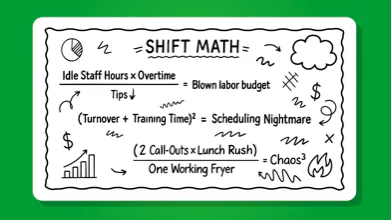
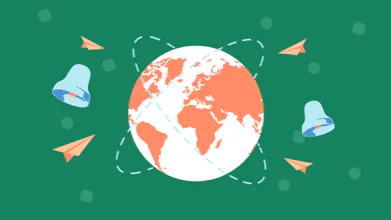







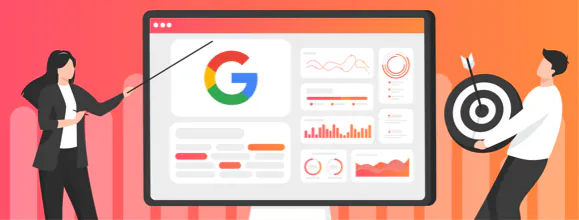
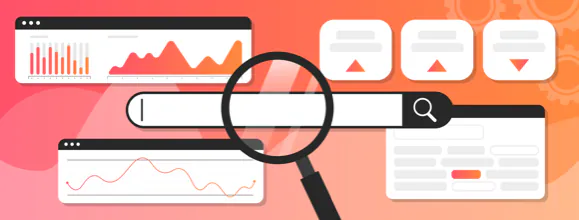

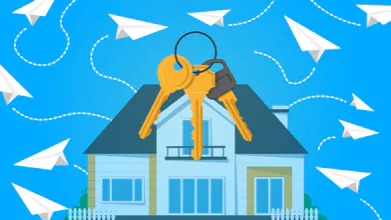
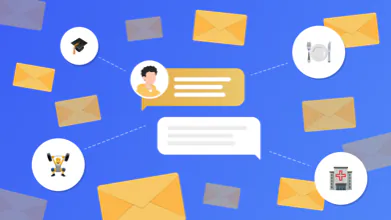


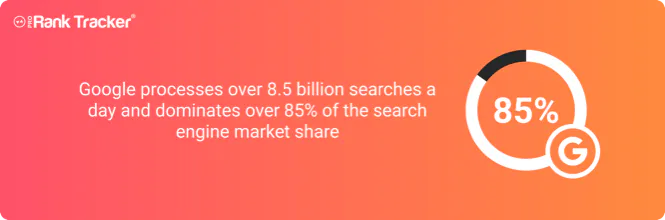
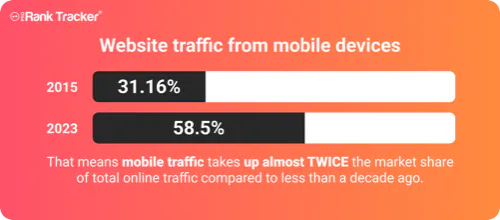
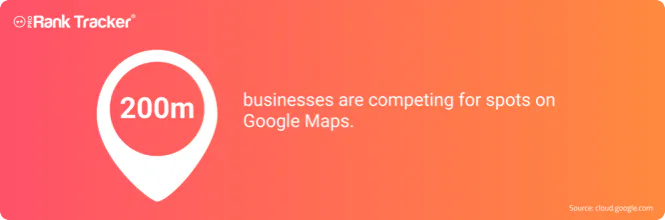
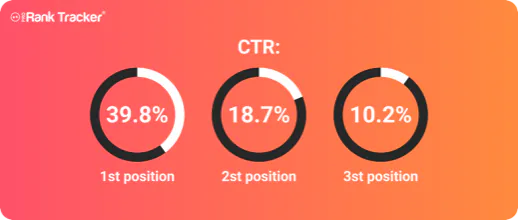
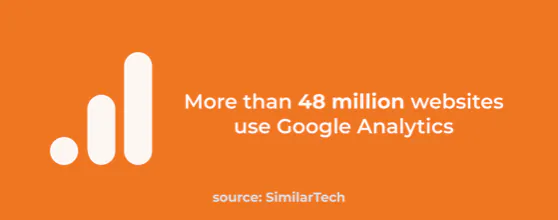
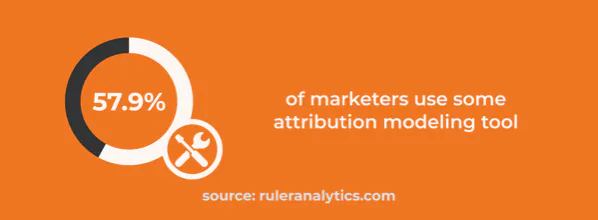
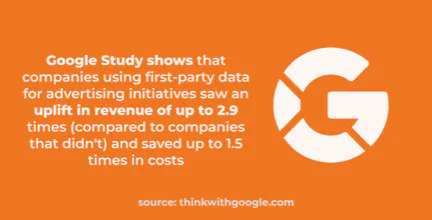
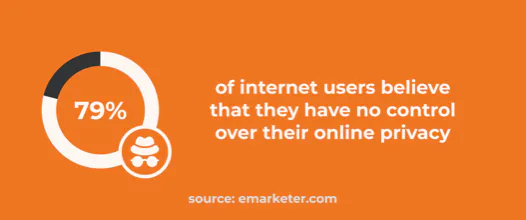
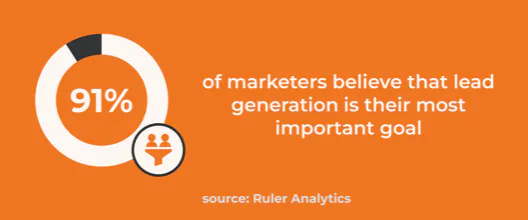
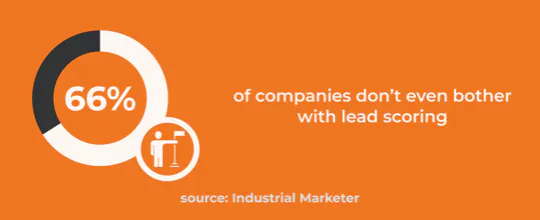
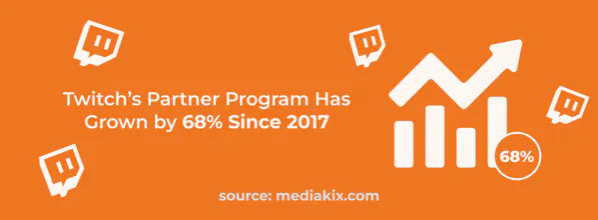
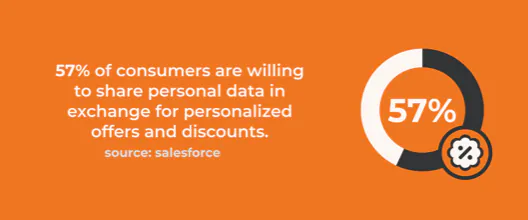
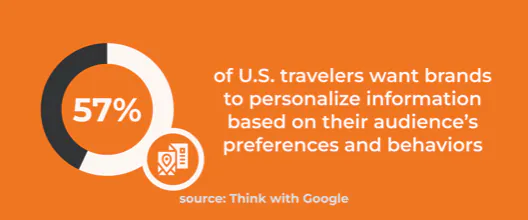
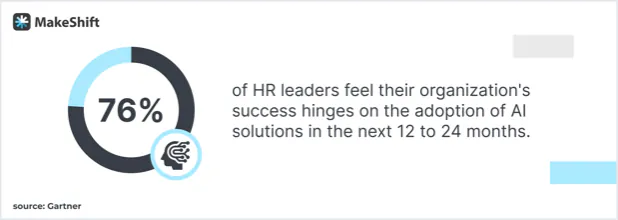
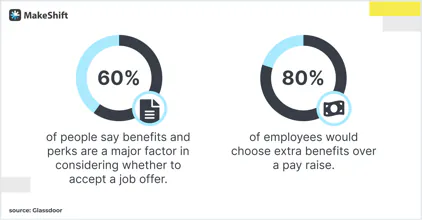
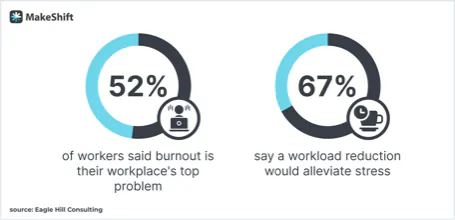
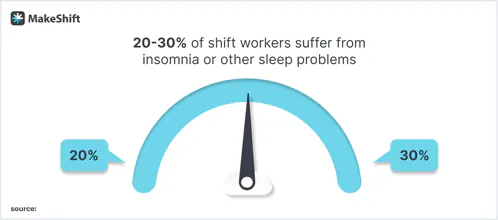
Covers and infographics for StatDigital, 2020–2023 — made by the team, art direction mine
For them, as for our other regular clients, we kept a library: Figma components for infographics, Illustrator files for illustrations, structured differently for each client.
Layers ~700
-
- + more variants
-
- + more variants
-
- + more variants
-
- + more variants
-
- + more variants
-
- + more variants
-
- + more variants
One infographic base, recoloured for each StatDigital client — base built by me, extended by the team; redrawn from the surviving files
I’ve had the pleasure of working with Evgeniy and his team at Diroro for the past 3 years, and I couldn’t be more pleased. We use his services for a variety of our clients’ needs — blog graphics, featured images, carousel posts, video content, etc. He always delivers what we need when we need it. His design skills have also helped us cross-sell and increase our ACV with our clients. I couldn’t recommend him and his team more!
Jacob Statler, CEO, StatDigital · LinkedIn recommendation, May 2023
04 — Winding down
What I took with me.
By 2023 the market for small design tasks was shrinking and online competition was rising. I chose to move in-house, where the scope and the stability were both larger, and wound the studio down.
What it left me with is what I still work from: a craft bar written down as a checklist, a library behind every regular client, and a clear line about who owns what. The next two cases apply them without a team of my own.
Team building
Mentoring
Design review
Brand system
Client relationships